 , fast delivery, and backed by our world-class customer service every step of the way.
  1-800-881-6093


 Back
Back
How To Properly Brand Your Ecommerce Store: The Complete Guide
Mobilizing an Ecommerce by Using Its Brand
The world of ecommerce is crowded. There are countless ecommerce websites out there and it’s easy for an individual brand to get washed out among them. Some ride waves of temporary success while others start up and almost immediately drown. To emerge from this market with success, a business needs to set itself apart with a reliable strategy. If your goal is to succeed, your business plan should thoroughly account for the branding of your ecommerce store. Brands create connections with your customers, leaving them with a long-lasting impression that goes beyond a simple transaction. A brand associates an identity to your ecommerce. People buy brands, not products. Brands create customer loyalty while letting potential customers know what your business is all about.
The best ecommerce brands have loyal customers to show for it. They know how to build an ecommerce brand that withstands the test of time. A strong branding foundation opens countless avenues that can be leveraged into digital marketing opportunities. A worthwhile marketing plan revolves around establishing a successful brand that demonstrates why a business is valuable to its target audience. This branding guide is going to teach you how to build a foundation for the beginning stages of your branding strategy.
Integrate the 4 V’s of Branding – Vision, Values, Voice and Visuals
A brand’s longevity relies on its ability to evoke emotions and create a relationship with the public by delivering an authentic message. It’s important to start thinking about how you’re going to clearly communicate your brand’s intentions. The 4 V’s of branding aim to open avenues of communication to help build that relationship from scratch.
A company has to go through a discovery phase, where introspection and communication between team members brings forward the concepts needed to project the 4 V’s of branding. It’s important to document these meetings and take note of which adjectives are used in conversation, helping to identify the vision and values of the brand. These are built around what’s most important to the brand, but also what the team considers as non-negotiable. Vision and values often tie into what someone is not willing to do, just as much as what they do want to achieve. Think about how our own identity is heavily based on what separates us from the rest. Getting a better idea of what a brand looks and feels like will help to create visuals down the line. The color scheme, visual references and general style will act as a reflection of the company’s main ideals. The final piece of the puzzle, the voice, represents the brand in the way that it communicates a unique perspective. The beginning stages of building a solid brand depend on a company’s ability to agree on how a brand’s vision, values, voice and visuals should come across in the light of public perception.
Developing Your Brand’s Unique Identity
Your brand’s identity is an amalgamation of characteristics that are exclusive to your business. Parts of this identity are heavily reliant on the nature of your brand’s message, but also the tone and visuals through which that message is conveyed. An identity has to be personal. It can be inspired by certain influences, however, it ultimately has to be a perspective that’s closely related to the core elements that make up your brand’s vision. Several foundational elements are listed below to create a basis for building your brand’s unique identity.
Logo: Your logo is a visual representation of your brand identity, ultimately stemming from its vision and core values. A logo is usually created based on a business name or emblem, however, there aren’t really any rules that should limit creativity. It should captivate your target audience without being too complex. The key to a memorable logo is to ensure that it’s tastefully artistic while being easily recognizable.
Color Scheme: The colors that appear throughout your branding campaigns should work in conjunction with your logo and should remain consistent throughout all forms of marketing. Your logo should essentially highlight the core elements of your brand’s color palette in the appropriate proportions. There’s substantial science related to the psychology of colors which is well worth looking into to be sure that your brand’s color scheme is conducive to your message.
Typography: Type expression is an extremely subtle method of communication. Although we often overlook the subconscious influence of typography, the thickness, curvature and spacing between letters actually leaves powerful impressions in our minds. Brands often choose existing fonts and modify them slightly, while others may choose to create their own fonts entirely. Your typography will appear in product descriptions, promotional material, email marketing, and other digital marketing campaigns. The most important thing to consider when selecting brand typography is to make sure it remains consistent with the persona that you want your brand to project.
Tone: In short, your brand’s tone reflects a personality and values. It’s the way that your brand communicates with the public. Like each element of branding, it should remain consistent every time it’s used so that it can be recognizable. Tone relies heavily on the cadence and specific language used throughout every interaction that your brand has with your audience.
Build Your Brand’s Story
Your brand’s story is a narrative that transforms your business from a distant concept to a community that people want to be a part of. It should narrate the essence of your ecommerce: your mission, core values and long-term vision. It should answer some of the following questions: who you are, what you do, why you do it, how you do it and who you do it for. With a compelling story, a customer can connect to the team behind a product or a service. Stories can be put together with a collage of written messages such as a company’s slogan, mission statements and social media captions. Visual mediums, like short videos or mesmerizing photographs, are often easier to absorb and tend to leave longer lasting impressions. The story doesn’t have to be explicit. Your brand story can be implied by the way in which you style your product images or through the advertising clips that you create. A recurring theme should exist between visual elements of your story to tie them together as seamless parts of a bigger picture. Lifestyle photos or customer reviews are a great addition to visual storytelling. They help connect your products to their real life context, showing where your business fits within someone’s day to day. Remember to appeal to people’s emotions while remaining authentic, to keep your story line memorable and ensure it’s easy to follow.
Define Your Target Audience & Focus, Focus, Focus!
Focusing on your target audience is one of the most important aspects of creating a reliable brand. Any efforts your company applies toward product design, marketing, content creation and customer service will all resonate much deeper if they are tailored to a specific crowd. Branding relies heavily on connecting with an audience and creating trust. None of this is possible without a clear idea of who you’re trying to connect with. Extensive research is a fundamental process involved in gaining a better understanding of your demographic. A brand provides value to its customers by focusing specifically on their needs. Once you’ve identified your target audience and what they struggle with, you can focus on communicating how your company helps alleviate those issues. Every audience relates to specific language, mediums and methods of advertising. Your brand will experience a much greater success by tailoring its strategies accordingly.
Putting it All Together With Social Media Content Marketing and Custom Packaging
The majority of what’s involved in creating a successful brand has been listed above. The final piece of the branding puzzle involved perpetuating that brand in order to gain recognition and stand out within your market. Social media is an invaluable tool in helping you increase brand awareness so that you can continuously connect with the right customers. You should maximize the branding potential of social platforms by creating valued content and inviting engagement. This content will contribute to cementing your brand’s identity by communicating your core values in a tone that relates to your target audience.
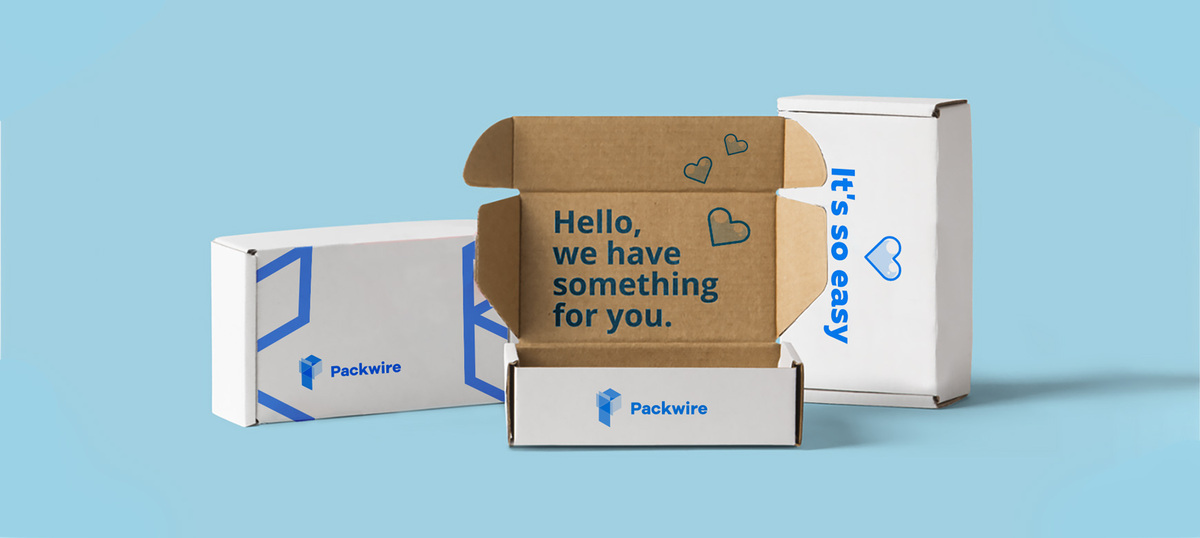
Your brand can use custom packaging to help strategically create more brand awareness through social media marketing campaigns. There are endless opportunities that can be created for your customers to post pictures of product packaging and share those images with a number of social media followers. The potential for exposure increases significantly with a premium packaging that looks great while noticeably belonging to your brand. Branded packaging helps optimize one of the final contact points with your customers by creating an unforgettable unboxing experience. It’s a unique way to express the visual components of your brand’s identity.
Time to Get Started
Now that you know how to brand your ecommerce store, you can take the necessary steps involved in getting your brand off the ground. Remember to start by having conversations within your company about building your brand’s identity using the 4 V’s of branding. Think hard about your brand’s story and where your products fit within that narrative. Then you can think about creating content and applying it to a strategic social media campaign that targets a specific audience. With all of this knowledge, you might still be slow to start or fail the first few times you try. Getting up after you fall or seeking help from those who know better could end up becoming part of your brand’s story and identity. If something doesn’t work, it might make sense to alter your strategy and continue persevering. It might even pay to seek additional insight from experts who offer professional ecommerce branding services, yes, there’s an entire target market for that, too.
